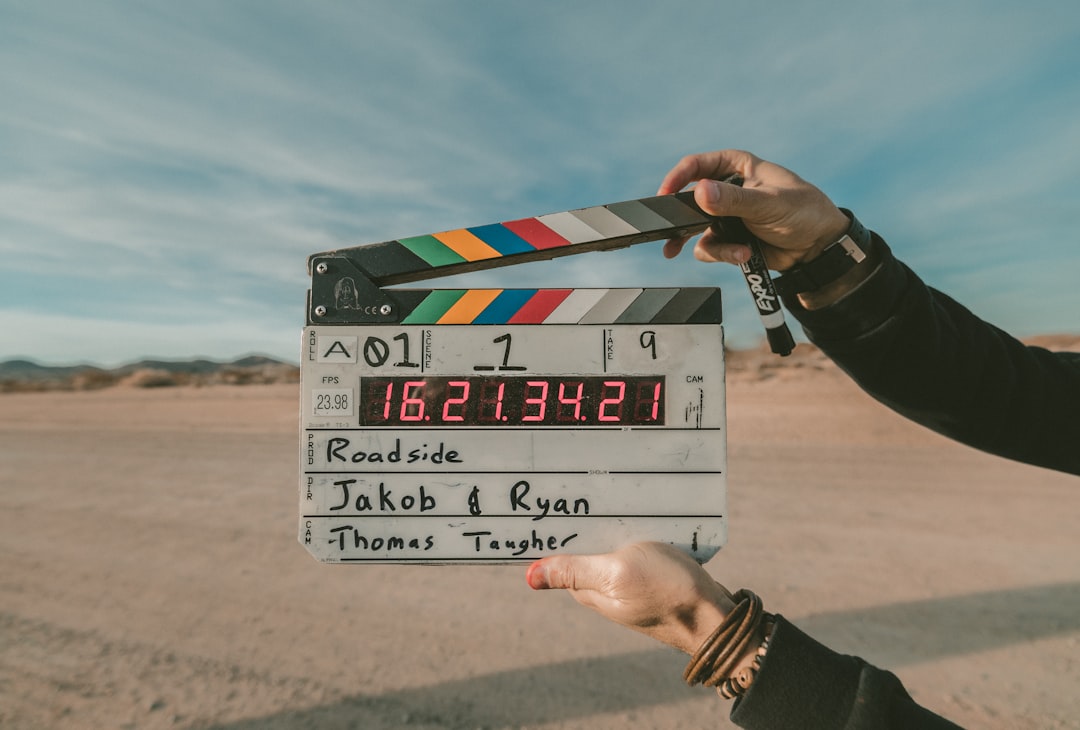
Duppy on the Road: A Traveler’s Guide to Visiting Jamaica’s Film Locations — Safely and Respectfully
A respectful Jamaica film tourism guide for Duppy fans: safety, logistics, local operators, and ways to support Jamaican filmmakers.
The buzz around Ajuán Isaac-George’s Duppy is more than a genre-movie moment: it is a reminder that Jamaica is not just a stunning backdrop, but a living film culture with real neighborhoods, real histories, and real people who shape how stories are told on screen. If you are curious about Duppy film locations, or want to build a trip around Jamaica film tourism without falling into the usual “set-jetting” mistakes, this guide is for you. It combines practical travel planning, travel safety Jamaica advice, and cultural etiquette for places tied to 1998-era violence-sensitive storytelling, while also showing how to support local crews, guides, and creative businesses. For readers who want the broader context of how travel trends are changing, see the new traveler mindset and our practical piece on which airfare add-ons are worth paying for before you book.
This is not a “find the exact shoot spot” scavenger hunt. It is a respectful film location guide built for travelers who want to experience Jamaica responsibly, especially when a project like Duppy is set in a historically charged year. If you are planning a broader Caribbean route, this guide pairs well with our advice on timing fare purchases and reading an airline fare breakdown so you can spend more of your budget on local experiences rather than hidden fees.
Why Duppy Matters for Jamaica Film Tourism
A horror drama can open a doorway to deeper travel interest
When a Jamaica-set film gets attention at Cannes, it does more than promote one project. It tends to renew interest in the island’s landscapes, neighborhoods, and creative infrastructure, especially among visitors who already love destination cinema. For many travelers, a film becomes the first spark, but the best trips go beyond fandom and into local context. That means understanding where you are going, who lives there, and what the place means beyond the camera lens. If you want a model for engaging with local-led travel and science respectfully, compare this mindset with ethical biodiversity trips and ethical localized production.
Jamaica’s screen appeal is built on contrast, not just scenery
Jamaica works on film because it offers visual range: coastal roads, dense urban streets, colonial-era architecture, mountain interiors, and communities with distinct rhythms. For a production set in 1998, the island can stand in for social tension, rapid change, and lived memory—elements that require more than scenic appreciation. Travelers who recognize that can move more respectfully through the spaces they visit. That approach is similar to how people should think about destination experiences in general: not as props, but as places with context and consequences. It is also why a location trip should start with planning rather than impulse, much like the road-tested thinking in our outdoor travel planner.
Film tourism should benefit local communities, not extract from them
In the best cases, film tourism creates demand for guides, drivers, restaurants, craft vendors, and local production workers. In the worst cases, it turns communities into photo stops where visitors take and leave, without contributing anything meaningful. The question is not whether you should visit; it is how you visit. A respectful approach includes paying local guides fairly, buying from neighborhood businesses, avoiding trespassing, and not treating emotionally sensitive sites as entertainment. When evaluating any creative ecosystem, the lessons from changing streaming platforms and boardroom-to-backstage artist dynamics are useful: cultural industries work best when the people making the work remain visible and valued.
What to Know About 1998-Era Violence-Sensitive Locations
Historical atmosphere is not a tourist theme park
The source article notes that Duppy takes place in Jamaica in 1998, described as the most violent year in the country in recent memory. Whether or not a visitor knows the details of that period, the key takeaway is simple: these are not neutral settings. Neighborhoods associated with past unrest may still carry living memory, and residents may have direct family experiences linked to that era. That changes the tone of your visit. You should not ask locals to re-enact, “explain the violence,” or point to “the dangerous part” as if trauma were a museum exhibit. Travel in these areas should follow the same principles as other sensitive destinations, including those discussed in tourism shifts in changing neighborhoods.
Use local knowledge, not internet folklore
Online forum advice about “safe” and “unsafe” streets ages badly and can easily mislead. Local drivers, hotel staff, certified guides, and community organizations know which areas are undergoing redevelopment, which roads are tricky at certain hours, and which places are best visited in daylight or with a group. If you are crossing between urban and rural routes, treat logistics as seriously as you would in any high-variability destination. That includes checking current road conditions, planning return times, and not assuming that a scenic route is also a safe one after dark. For a systems-thinking approach to preparation, see real-time travel disruption monitoring and fare breakdown basics, because good travel decisions start before arrival.
Respect privacy, memory, and community boundaries
Some places may be “film interesting” but emotionally sensitive to residents. That means no drone flying without permission, no lingering in front of homes or churches, and no photographing people without asking. It also means being careful about the language you use when talking about the trip online; avoid glorifying violence or implying that danger is the attraction. If you want to share a location-based story responsibly, frame it around craft, history, and place. This same principle appears in other cultural reporting, including how agency values shape what audiences see and how short-form storytelling can oversimplify complex subjects.
How to Plan a Responsible Jamaica Film Location Trip
Start with what you can verify
Not every location referenced by a film is publicly confirmed, and not every place you see online is actually tied to production. Begin with verified interviews, festival materials, production notes, and official tourism or local film commissions whenever possible. If a site is not public, do not pressure a guide to reveal it. Instead, build a trip around districts, landscapes, and community spaces that are legitimately connected to Jamaica’s screen history. If you enjoy research-based planning, our guide to using market data without enterprise costs offers the same principle: trust verified sources over rumor.
Balance film stops with ordinary Jamaica
The strongest film tourism itineraries include markets, cafés, museums, beaches, and local neighborhoods that have nothing to do with a single movie. That approach keeps your trip from becoming a checklist and helps the local economy spread the benefits beyond one attraction. A good rule: for every “screen” stop, add one food stop, one cultural stop, and one community-business stop. The result is a richer trip and a better local impact. This is also how thoughtful destination travel works elsewhere, including the kind of “real trip” mindset discussed in our guide to valuing real travel experiences.
Build buffer time into your schedule
In Jamaica, travel times can vary significantly because of traffic, weather, road conditions, and route complexity. If you try to stack too many location stops in one day, you will end up rushing, taking risky shortcuts, or skipping the parts of the trip that make it worthwhile. Build in buffers for lunch, unexpected weather, and the simple need to slow down and ask questions. A slower itinerary also makes it easier to act respectfully, especially if you need to detour around residential areas or pause for local guidance. For more trip-planning perspective, compare this with the timing logic in fare timing strategies.
On-Location Logistics: Getting There, Moving Around, and Staying Flexible
Choose transport that matches the destination
For film location travel in Jamaica, transport is not a detail—it is the backbone of safety and comfort. Depending on your route, that may mean hiring a licensed driver, joining a reputable tour operator, or using a trusted transfer service rather than improvising with multiple local taxis. Group travel is often the smartest choice if you are visiting rural sites, hillside roads, or neighborhoods with complicated access. It is also wise to confirm pick-up and drop-off points in advance, because many location-adjacent roads are narrow or unsuitable for casual stopping. For a useful comparison point on evaluating service providers, see our partner vetting checklist—the same due-diligence mindset applies to choosing a driver or guide.
Daylight is your friend
Even when a place is technically open after dark, location visits are usually more rewarding and less stressful in daylight. You will see more, understand the geography better, and reduce the risk of becoming disoriented in an unfamiliar area. Many historically sensitive locations also feel more appropriate in the daytime because there is less chance of intruding on private or family life. If your itinerary includes a sunset return, plan your route before you leave and share your schedule with someone at your lodging. This same principle appears in other travel guidance, like our piece on seasonal travel hazards, where timing is a major safety variable.
Carry simple, practical supplies
A good location-day kit does not need to be elaborate. Bring water, sunscreen, insect repellent, a charged phone, offline maps, small cash, and a paper note with your accommodation details in case your battery dies. If you are heading into more remote or coastal areas, add a hat, rain layer, and comfortable shoes with grip. Travelers often over-pack gadgets and under-pack basics, but the basics are what keep a day from becoming stressful. For a broader view on practical travel budgeting, see which airline extras are worth it and how to read fare breakdowns.
How to Choose Local Tour Operators and Drivers
Look for specificity, not vague promises
A good local operator should be able to tell you exactly what the day includes, how long the drive is, where rest stops are, and what happens if weather or road conditions change. If an operator claims to know “all the secret movie spots” but cannot explain permits, road access, or local etiquette, that is a warning sign. Ask whether they work with residents or community-based businesses, and whether they have experience guiding culturally sensitive tours. The best operators are usually transparent about what is public, what is private, and what is simply not appropriate to visit. This is similar to assessing any specialist provider through clear criteria, like the method in our vet-your-contractor checklist.
Check for licenses, insurance, and clear communication
Ask about vehicle condition, insurance coverage, seat belts, and the operator’s emergency process. Clear communication matters too: if they are responsive before booking, they will likely be more reliable on the day of travel. Be especially cautious with “cheap” tours that compress several areas into one high-speed itinerary, because they often trade context for volume. A respectful film-tour operator should prioritize safety, context, and flexibility over hype. The logic is not unlike shopping for value in other categories: consider the real service, not just the headline price, as emphasized in our discount-value guide.
Support operators who reinvest locally
Whenever possible, choose companies that hire Jamaican staff, source from Jamaican businesses, and work with local creative professionals. That may include guides who are also cultural historians, drivers who know neighborhood histories, or small teams that partner with film communities. Ask where your money goes. If an operator avoids the question, that is a signal to look elsewhere. For more on supporting local ecosystems, see how restaurants can partner with local projects and ethical localized production lessons.
How to Support Jamaican Film Communities Without Being Exploitative
Pay for expertise, not just access
One of the simplest ways to support Jamaican film communities is to pay professionals for their knowledge. Hire licensed guides, local translators when needed, photographers who know the terrain, and drivers who can explain the history of places you pass through. Do not try to squeeze local experts for free recommendations while booking the cheapest possible options elsewhere. Respectful tourism means recognizing that cultural knowledge has value. The same principle applies in creative industries more broadly, including the lessons from artists adapting to shifting platforms.
Buy from film-adjacent local businesses
Instead of only buying souvenirs at airport shops, look for neighborhood eateries, bookshops, craft vendors, printmakers, and small galleries. If there is a local screening, panel, or community arts event during your visit, attend it. Those purchases do more than add color to your trip; they help keep the ecosystem healthy. When possible, leave reviews that mention service quality and local expertise, not just scenery. That kind of support mirrors the value of backing creators through real engagement, as discussed in events that celebrate diversity in music—where audience participation matters.
Share responsibly on social media
Post with context. Name the tour company, the neighborhood if appropriate, and the local business you supported. Avoid captions that romanticize violence, poverty, or “danger.” If a location has a painful history, acknowledge it respectfully or keep your caption focused on architecture, landscape, and cultural learning. Social platforms can either flatten place into a gimmick or help amplify local voices. The right choice is obvious when you think about the power of framing, much like the media literacy themes in agency and diversity on your feed.
Comparison Table: Trip Styles for Jamaica Film Tourism
| Trip style | Best for | Pros | Cons | Safety/cultural note |
|---|---|---|---|---|
| Private driver day tour | Couples, small groups, first-time visitors | Flexible routing, local insight, easier timing | Higher cost than shared transport | Best for sensitive or complex routes; ask for daytime scheduling |
| Small group cultural tour | Travelers who want context and conversation | More affordable, social, often curated | Less itinerary flexibility | Choose operators who brief guests on etiquette and history |
| DIY public-transport adventure | Experienced travelers on a budget | Low cost, authentic daily-life exposure | More planning required, slower, less predictable | Not ideal for remote or violence-sensitive areas without local guidance |
| Hybrid hotel-arranged outing | Short stays and business travelers | Convenient and easy to book | May be generic or overpriced | Verify whether the operator is actually local and licensed |
| Community-led heritage visit | Travelers seeking deep cultural understanding | Strongest local benefit, richest storytelling | Availability may vary | Often the most respectful option for historically sensitive locations |
A Practical 1-Day Template for Film Location Exploration
Morning: context first
Begin with breakfast at a local spot and a short orientation from your guide or host. Ask what is public, what is private, and what should not be photographed. Then visit one verified location or region associated with the island’s screen identity, but keep your first stop short enough to absorb details instead of rushing for photos. Starting the day slowly gives you time to learn names, landmarks, and local norms. It also prevents the “content-first, people-second” mistake that can undermine an otherwise great trip.
Midday: combine culture and food
Build lunch into the itinerary rather than treating it as an afterthought. This is the best time to support a family-owned restaurant, roadside cookshop, or market stall. If your route passes through a community with film relevance, ask your guide whether there is a local museum, library, mural, or art space worth visiting. That makes the trip broader than a single frame grab and creates more economic spillover. If you are interested in food-and-place partnerships, see how restaurants can partner with nature-inclusive projects.
Afternoon: flexible scenic leg, then return before dark
Use the afternoon for scenic stops, a beach pause, or a craft market visit, then return with time to spare. Rushing the end of the day is when people make avoidable mistakes, like taking unfamiliar shortcuts or trying to “fit in one more stop.” Keep the last segment simple and leave room for a final conversation with your driver or guide about what you learned. Often those debrief moments become the most meaningful part of the day. If you want to sharpen your planning skills generally, our guide on reading breakdowns carefully is a good reminder that details matter.
What to Watch for in Press, Hype, and Location Listings
Not every article is a travel itinerary
Film coverage often highlights glamor, not logistics. A piece about a Cannes showcase may tell you why a project matters, but it will not automatically tell you how to get there, what to wear, or whether a place is appropriate for tourists. Treat publicity as inspiration, not as a routing guide. Verify your itinerary through multiple sources, especially when the location is tied to a sensitive historical setting. This is the same reason travelers should not mistake promotional copy for practical guidance in other sectors, as discussed in reading marketing versus reality.
Be skeptical of exact “movie spot” claims
When a destination becomes popular, the internet tends to invent certainty where none exists. A café may be mislabeled as a set location, or a scenic overlook may be reposted thousands of times with no verification. Before you go, ask whether the place is open to visitors, whether it is publicly accessible, and whether local residents actually welcome film tourism there. If the answer is unclear, choose a nearby business or cultural site instead. In practice, that often leads to a better day anyway.
Use your trip to amplify real creators
One of the highest-value choices you can make is to come home with more than photos. Buy a book, stream Jamaican films, follow local artists, and share the work of Jamaican filmmakers and crew members. If you enjoy the broader ecosystem around creative work, look into post-production workflows and the changing state of streaming to understand why visibility matters so much. Tourism is strongest when it feeds curiosity that lasts after the trip ends.
FAQ: Visiting Jamaica’s Film Locations
Is it okay to visit places associated with violence-heavy stories?
Yes, but only if you do so with humility, proper planning, and a willingness to follow local guidance. Avoid sensationalizing trauma or treating communities like open-air sets. Choose daylight visits, hire local experts, and keep your tone respectful in person and online.
How do I know if a film location is actually public and safe to visit?
Check official tourism sources, community organizations, or trusted local operators rather than relying on social media captions. A location may be visually famous but still private, sensitive, or inconvenient to access. If in doubt, ask a licensed guide and accept a no if the answer is no.
What is the safest way to travel between film sites in Jamaica?
For many visitors, the safest and easiest option is a licensed driver or reputable small-group tour. That gives you route knowledge, schedule flexibility, and local context. Public transport can be useful, but it is better suited to confident travelers who are already comfortable navigating Jamaica independently.
How can I support Jamaican filmmakers while I’m there?
Hire local professionals, attend screenings or cultural events, buy local media, and spend money at Jamaican-owned businesses. If you meet crew members or creatives, treat them as professionals, not just “insider access.” Supporting the ecosystem is more meaningful than merely collecting location selfies.
Should I post exact coordinates of every location I visit?
Usually no. If a site is residential, sensitive, or not officially promoted for tourism, posting exact coordinates can cause nuisance or privacy problems. Share general area names, credit the guide or operator, and prioritize consent over virality.
What should I avoid saying when talking about 1998-era locations?
Avoid language that glorifies violence, treats poverty as aesthetic, or frames the community as a danger spectacle. Instead, talk about history, resilience, film craft, and what you learned. Respectful language makes your travel story more credible and more useful to others.
Final Take: The Best Film Trips Leave Room for People, Not Just Places
Duppy may be your entry point, but Jamaica deserves more than a narrow lens. The most rewarding film-location trips are the ones that honor place, support the people who live there, and leave you with a fuller understanding of the country’s creative life. If you plan carefully, choose local partners, and keep your curiosity grounded in respect, you can enjoy Jamaican screen geography without reducing it to a checklist. Use the journey to learn, to spend locally, and to deepen your appreciation for the artists and communities behind the images. For more travel-planning and creator-support perspectives, revisit ethical localized production, ethical fieldwork travel, and why travelers value real experiences.
Pro Tip: The most respectful film-location visits in Jamaica are usually the ones where you spend as much time listening as photographing. If a guide, shopkeeper, or resident tells you a place is not for visitors, accept that answer gracefully and move on.
Related Reading
- Wildfire Season and Outdoor Travel - A practical lens on timing, conditions, and route flexibility.
- Conservation Trips That Respect Local Science - Learn how to travel ethically when local knowledge matters.
- The Creator’s Guide to Ethical, Localized Production - A useful framework for working with local communities respectfully.
- The New Traveler Mindset - Why real-world experiences are replacing shallow tourism.
- The State of Streaming - Understand how creators build visibility in a crowded media landscape.
Related Topics
Maya Thompson
Senior Travel & Culture Editor
Senior editor and content strategist. Writing about technology, design, and the future of digital media. Follow along for deep dives into the industry's moving parts.
Up Next
More stories handpicked for you

How a Four-Day Workweek Could Unlock Regular Microadventures — A Practical Guide

Smartphone Camera Hacks for Commuters: Capture the Golden Light on the Way to Work
Designing Better Public Restrooms: What Travelers Can Learn from Duchamp’s Provocation

Surviving the Heat: Outdoor Adventures in Extreme Temperatures

Celebrating Legends: How Nature Inspired the Greatest Sports Figures
From Our Network
Trending stories across our publication group

Keep the Momentum, Lose the Hours: How AI Lets Publishing Teams Shrink Workweeks Without Sacrificing Output

From 'Baby Face' to Better Design: How Character Redesigns Create Content Opportunities

From Urinals to Evergreen Content: What Duchamp Teaches Creators About Provocation and Longevity
Controversy That Lasts: What Duchamp’s Fountain Teaches About Viral Content Longevity

From Fountain to Fan Editions: How Limited Runs and Replicas Can Power a Creator Business